
Social Security Identity Checks: Secure Your Benefits 2025
Why Social Security Identity Verification Matters More Than Ever
Social security identity checks are now stricter than ever before. The Social Security Administration (SSA) has rolled out major changes to how they verify your identity when you apply for benefits or change direct deposit information.
Here’s what you need to know about social security identity checks:
- New applicants for retirement or survivor benefits must verify identity online or in-person
- Current beneficiaries don’t need to do anything unless changing direct deposit
- Three verification methods are available: online (my Social Security account), phone (with one-time code), or in-person at SSA offices
- Required documents include valid photo ID, Social Security number, and smartphone for online verification
- Scam protection is critical – SSA will never text or email asking for personal information
These changes aren’t happening in a vacuum. The SSA is losing over $100 million annually to direct deposit fraud, with approximately 40% of Social Security direct deposit fraud linked to fraudulent phone calls requesting bank account changes.
Bad actors have gotten sophisticated. They’re using personal information stolen from data breaches and found on the dark web to bypass those old security questions we all remember (“What was your first pet’s name?”).
The result? A complete overhaul of how the SSA protects your benefits and verifies your identity.
Whether you’re an HR manager helping employees steer these changes or someone preparing to apply for benefits, understanding these new requirements will save you time and protect you from scams.

Why the SSA is Strengthening Identity Verification
Think of the Social Security Administration like a bank vault protecting your financial future. Just as banks have upgraded from simple combination locks to sophisticated biometric systems, the SSA is modernizing its security to stay ahead of increasingly clever criminals.
The driving force behind these new social security identity checks? Three critical factors: stopping massive fraud losses, replacing outdated security methods, and protecting your personal data in our digital world.
The Alarming Rise of Direct Deposit Fraud
Here’s a sobering reality: fraudsters are costing the SSA over $100 million annually through direct deposit scams alone. That’s not a typo. We’re talking about criminals who call the SSA pretending to be legitimate beneficiaries and successfully change bank account information to steal benefits.
The numbers get even more concerning when you dig deeper. Approximately 40% of Social Security direct deposit fraud happens through these phone calls. Criminals have figured out how to game the system, and they’re getting disturbingly good at it.
Why the sudden surge? It all comes down to data breaches and the dark web. Remember those old security questions asking about your first pet’s name or childhood address? Those aren’t secrets anymore. Massive data breaches have put this personal information up for sale online, making it ridiculously easy for scammers to bypass traditional security measures.
To put this in perspective, while fraud accounts for about 3% of all Social Security overpayments (roughly $102 million yearly from 2020 to 2023), it represents money that’s often impossible to recover once it’s gone. The SSA’s Inspector General found that most overpayments actually stem from beneficiaries not reporting changes that affect their benefits, but preventing fraud upfront remains crucial for protecting everyone’s benefits.
Enhancing Security for the Digital Age
The SSA isn’t just patching holes anymore. They’re building an entirely new security framework designed for today’s threats. This means moving beyond those easily-compromised knowledge-based questions to multi-layered authentication that actually works.
Enter the Electronic Consent Based Social Security Number (eCBSV) verification system. This platform allows real-time SSN verification, but here’s the key difference: it operates on a consent-based framework. What does that mean for you? You now have much more control over who accesses your information and when.
The new system incorporates biometric verification technology. Instead of relying on information that might be floating around the dark web, the system can verify your actual physical identity through methods like selfie verification and video calls.
This consent-based approach is a game-changer. Before any third party can verify your SSN, you must give explicit permission. It’s like having a security guard who checks with you personally before letting anyone access your information, rather than just accepting a password that might be compromised.
These upgrades align with modern data protection standards and give you transparency about how your personal information is being used. The SSA has committed to maintaining high privacy and security standards throughout this verification process, which you can learn more about in their privacy and security information.
The bottom line? These changes make it exponentially harder for criminals to impersonate you and steal your benefits, while giving you more control over your personal information than ever before.
A Guide to Social Security Identity Checks: Online, In-Person, and Phone
The good news is that social security identity checks don’t have to be complicated. The SSA has designed multiple ways to verify your identity, giving you flexibility to choose what works best for your situation. Whether you’re comfortable with technology or prefer face-to-face interactions, there’s a path forward.
Online Verification: The ‘my Social Security’ Portal
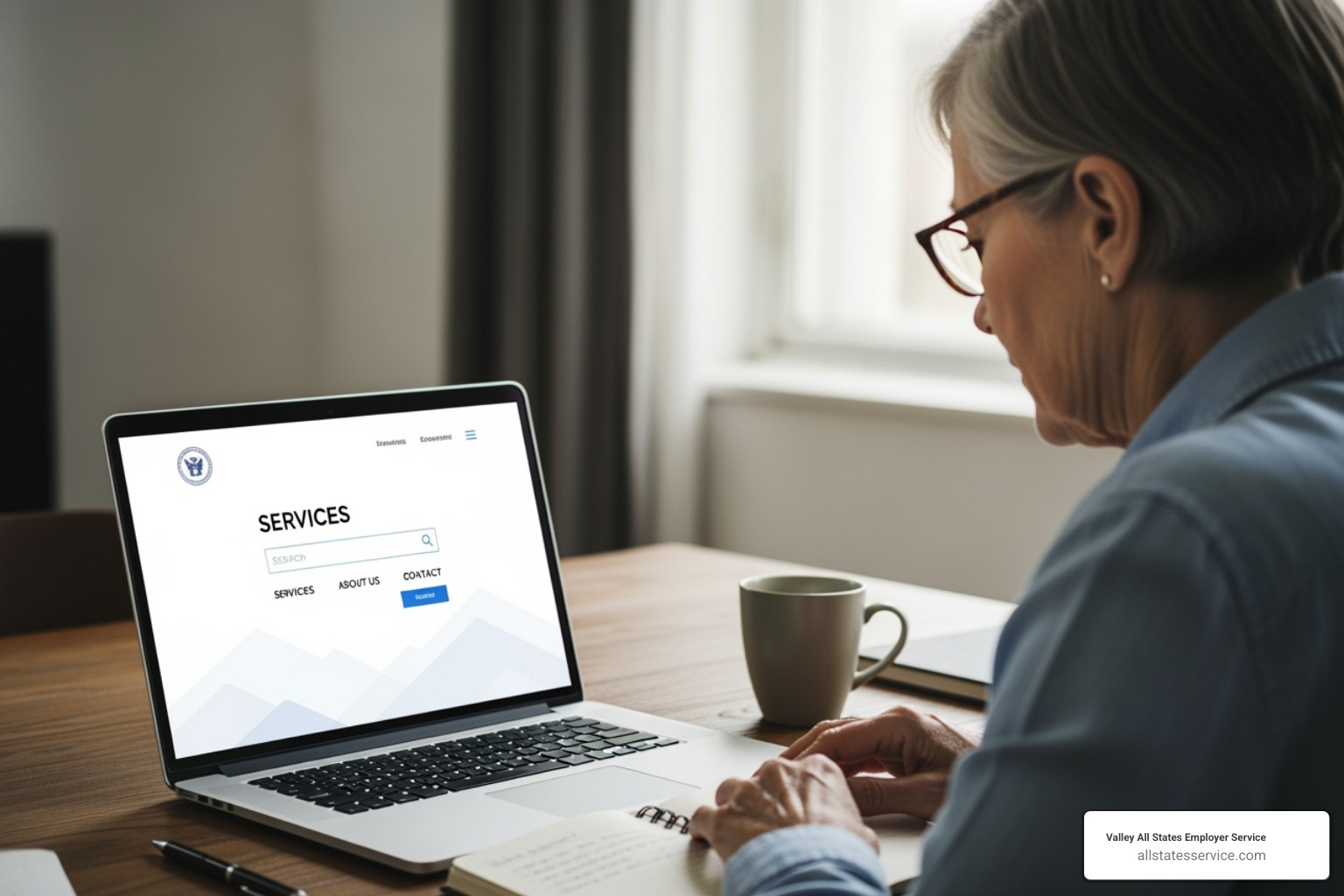
Think of your my Social Security account as your digital key to all things Social Security. It’s where you can manage benefits, check earnings, and handle identity verification from anywhere with internet access. If you don’t have one yet, creating a my Social Security account is probably the smartest first step you can take.
The online process works through secure platforms like Login.gov or ID.me. These aren’t just random websites, they’re trusted digital credential providers that the government uses to make sure you’re really you. The setup might feel a bit like opening a new bank account online, but with extra security steps.
Here’s what you’ll need to have ready: your Social Security number, a valid photo ID like your driver’s license or passport, and a smartphone with internet access. The smartphone part is important because you’ll likely need to take photos of your ID and even record a short selfie or video for facial recognition.
The process itself is pretty straightforward. You’ll create or sign into your Login.gov or ID.me account, snap those photos of your ID front and back, take your selfie, enter your Social Security number, and verify your phone number with a code they send you. The whole thing usually takes about 10-15 minutes.
One heads up: if your ID is from certain countries, isn’t in English, or if your appearance has changed significantly since the photo was taken, you might hit some bumps. The good news is that ID.me has live support staff who can walk you through any issues.
In-Person Verification: Visiting an SSA Office
Sometimes the old-fashioned way is the right way. If online verification isn’t working for you, or if you simply prefer talking to a real person, visiting a Social Security office is always an option.
You’ll definitely need an in-person visit if you can’t complete online verification, if you’re changing direct deposit information and can’t get that one-time code online, or if you’re one of those folks who still gets paper checks and needs to update your mailing address.
When you head to the office, bring your documents with you. You’ll need a primary ID like your driver’s license, state ID card, or passport. Don’t forget your Social Security card or another document that shows your SSN, plus your birth certificate for age verification. If you’re not a U.S. citizen, bring proof of your lawful alien status too.
Here’s a pro tip: always bring original documents, not copies. The SSA needs to verify that these are real, and photocopies just won’t cut it. If you don’t have a primary photo ID, they might accept secondary forms like a military ID or health insurance card, but you’ll need multiple documents to make up for it.
Finding your nearest office is easy with the Social Security Office Locator. While you don’t technically need an appointment for direct deposit changes, scheduling one can save you a lot of waiting around.
Phone Verification: A New Process for Social Security Identity Checks
Phone verification has gotten a major security upgrade. You can still apply for retirement and survivor benefits over the phone, but the SSA now uses anti-fraud technology that analyzes patterns in your account during the call. Think of it as having a digital detective watching for anything suspicious.
If something seems off, they’ll ask you to come in person to verify your identity. This happens to less than 0.2% of the 4.5 million phone applications they get each year, so chances are you’ll be fine.
The bigger change comes if you need to change your direct deposit by phone. Starting April 28, 2025, you’ll need to visit ssa.gov/PIN first to get a one-time code before calling 1-800-772-1213. This code proves you’re really you when you talk to the representative.
To get that code, you’ll need to sign into your personal my Social Security account. If you can’t do that online step, you’ll need to make an in-person visit instead. It’s an extra step, but it’s also what keeps fraudsters from calling up and stealing your benefits.
Who Is Affected and How to Avoid Scams
These changes impact different groups in different ways, and it’s important to understand where you stand. Unfortunately, whenever there are changes to government processes, it’s also a prime opportunity for scammers to take advantage of confusion and concern.
Who Needs to Prove Their Identity?
The good news is that most people won’t need to do anything at all. If you’re already receiving Social Security benefits and aren’t making any changes, you can relax. Your monthly payments will continue just as they always have.
New applicants are the group most affected by these social security identity checks. If you’re applying for retirement, survivor, or auxiliary benefits (like spouse or child benefits) for the first time, you’ll need to prove your identity through the new system. This means either completing the online verification through your my Social Security account or visiting an SSA office in person.
The other group that needs to pay attention is anyone changing their direct deposit information. Whether you’re switching banks or just updating account details, you’ll need to either handle this online through your secure account or get a one-time code from ssa.gov/PIN before calling. If neither of those options work for you, a trip to the local SSA office will be necessary. This also applies if you receive paper checks and need to update your mailing address.
Current beneficiaries who aren’t making any changes to their banking information don’t need to lift a finger. The SSA won’t require you to re-verify your identity just to keep receiving your benefits. You can find the most current information about these requirements at What to Know about Proving Your Identity.
Understanding Exceptions and Potential Challenges
The SSA recognizes that not everyone fits into neat categories, and they’ve built in some important exceptions for people who might face unique challenges.
People applying for disability benefits, Medicare, or SSI get some breathing room. If you can’t use the online my Social Security account system, you’re exempt from the strict in-person requirements. You can complete your entire application over the phone. The SSA acknowledges that these applications often have multiple opportunities for identity verification throughout the lengthy decision process.
Emergency situations also get special consideration. If you’re dealing with a terminal illness or are in an “extreme dire-need situation,” the SSA may waive the strict identity requirements. They’re developing a process that includes proper documentation and management approval, showing they’re trying to balance security with compassion.
However, some groups may face real challenges with these changes. Non-citizens might encounter delays if their identification documents are from certain countries or aren’t in English. People who aren’t comfortable with technology may struggle with the online verification process, which involves uploading photos, taking video selfies, and navigating platforms like ID.me.
Advocacy groups have raised legitimate concerns that these changes could create barriers for seniors, people with disabilities, or those who have difficulty traveling to SSA offices. The National Committee to Preserve Social Security and Medicare has documented some of these concerns. If you anticipate having trouble with the new system, our advice is simple: contact the SSA early and be prepared to visit an office in person if needed.
Red Flags: How to Spot a Phishing Attempt
Here’s the most important thing to remember: The Social Security Administration will never contact you by text message, email, or phone call asking for personal information to verify your identity or continue your benefits. Period. Full stop.
Scammers are absolutely taking advantage of these new social security identity checks to trick people. They’re sending fake texts and emails that look official, hoping you’ll panic and hand over your personal information.
Urgent messages demanding immediate action are almost always scams. Real SSA communications are professional and give you clear instructions without threatening language. If someone claims your benefits will be suspended unless you act right now, that’s a red flag waving in the wind.
Watch out for requests for unusual payment methods too. The SSA will never ask you to pay with gift cards, wire transfers, or cryptocurrency. If someone asks for payment in these forms, hang up immediately.
Suspicious links and contact methods are another dead giveaway. Scammers often use URLs that look similar to ssa.gov but have slight misspellings or extra characters. They might also ask you to download attachments or click links in unsolicited emails.
| Legitimate SSA Communication | Scam Attempt |
|---|---|
| Official letters or secure online portal messages | Unsolicited texts, emails, or unexpected calls |
| Professional tone with clear, non-threatening instructions | Urgent, threatening language demanding immediate action |
| Requests for specific information in secure environments | Asks for SSN, bank details, or passwords via unsecure methods |
| Never requests gift cards or wire transfers | Frequently demands untraceable payment methods |
| Links direct to official ssa.gov website | Suspicious URLs with misspellings or extra characters |
If you ever receive a suspicious message, don’t click anything or provide any information. Delete it and move on. If you’re genuinely unsure whether a communication is legitimate, contact the SSA directly at 1-800-772-1213 or visit their official website. You can also check out the official SSA scam information to stay informed about the latest tactics scammers are using.
When in doubt, it’s always better to be cautious and verify through official channels than to risk your personal information and benefits.
Frequently Asked Questions about Social Security Identity Checks
These new social security identity checks have sparked plenty of questions, and we get it. Change can be confusing, especially when it involves something as important as your benefits. Let’s clear up the most common concerns we’re hearing.
Do I need to verify my identity to keep receiving my current benefits?
Here’s the good news: absolutely not. If you’re already receiving Social Security benefits and your direct deposit information hasn’t changed, you can breathe easy. Your monthly payments will continue arriving on schedule, just like always.
These new identity verification requirements are specifically designed for two groups: people applying for certain benefits for the first time, and folks who need to update their direct deposit information. If you’re happily receiving your benefits in the same bank account you’ve always used, the SSA isn’t going to ask you to prove who you are all over again.
Think of it this way: if it’s not broken, they’re not trying to fix it. Your existing benefit arrangement stays exactly as it is.
What happens if I can’t complete the online verification?
Don’t panic if the online process doesn’t work out for you. Whether you’re not comfortable with technology, don’t have a smartphone, or just prefer face-to-face interactions, the SSA has you covered.
Your backup plan is simple: visit a Social Security office in person. Yes, it means taking a trip and potentially waiting in line, but it’s a reliable way to get everything sorted out. Just remember to bring all your required documents with you (your photo ID, Social Security card, and any other paperwork they’ve requested).
The SSA understands that not everyone is ready to upload selfies and steer digital platforms. While they’re encouraging online services to make things more efficient, they’re not abandoning people who prefer the traditional approach.
Can employers perform social security identity checks on employees?
This is where things get interesting, and it’s a question we hear a lot in our line of work. Yes, employers absolutely can and should verify their employees’ work eligibility, but it’s a different process than what individuals go through with the SSA for benefits.
When employers need to verify that someone is authorized to work in the United States, they typically use E-Verify. This system cross-references information from an employee’s Form I-9 with records from both the Department of Homeland Security and the Social Security Administration. It’s all about confirming that the Social Security number matches SSA records and that the person is eligible to work.
Here’s the key difference: employer verification through E-Verify is about work authorization and preventing employment fraud. The social security identity checks we’ve been discussing in this article are about protecting benefits and preventing direct deposit fraud. They’re related but serve different purposes.
At Valley All States Employer Service, we handle E-Verify processing for employers who want to outsource this crucial compliance step. It’s our specialty because we know how important it is to get it right while minimizing the administrative headaches for busy HR teams. If you’re curious about how E-Verify works, you can learn more in our guide on What is E-Verify?.
The bottom line? These new SSA identity requirements won’t change how employers verify work eligibility, but both processes are working toward the same goal: keeping fraudsters out of the system.
Conclusion: Securing Your Benefits and Simplifying Compliance
The Social Security Administration’s updated social security identity checks represent a significant step forward in protecting your hard-earned benefits. While these changes might feel like an extra hurdle at first, they’re building a fortress around your financial security that fraudsters will find much harder to breach.
Think of it this way: would you rather spend a few minutes proving you’re you, or lose months of benefits to someone who isn’t? The choice is pretty clear when you put it like that.
Here’s what matters most moving forward:
The SSA is fighting back against the over $100 million lost annually to direct deposit fraud with real solutions. You now have flexible options to verify your identity, whether that’s through your my Social Security account from your couch, a quick trip to your local SSA office, or starting April 28, 2025, a phone call backed up by a one-time code from ssa.gov/PIN.
Most importantly, stay sharp when it comes to scams. The SSA will never slide into your text messages or email inbox asking for personal information. When in doubt, hang up, delete that message, and contact the SSA directly.
For employers, the landscape of workforce verification is just as critical. Making sure your employees are legally authorized to work isn’t just about compliance, it’s about protecting your business and your team. The complexity of employment eligibility verification, including proper Social Security number checks, can feel overwhelming when you’re trying to run a business.
That’s exactly why Valley All States Employer Service exists. We take the headache out of E-Verify processing, handling your workforce eligibility verification with the expertise and attention to detail your business deserves. Our outsourced E-Verify services mean fewer errors, less administrative burden, and more time for you to focus on growing your business instead of wrestling with compliance paperwork.
Whether you’re dealing with new hires, re-verification deadlines, or just want the peace of mind that comes with expert handling of your employment verification needs, we’ve got your back.
Ready to simplify your employment verification processes and ensure rock-solid compliance? Check out our Employment Verification Services Complete Guide to find how we can make compliance easier for your business.