
What’s Your Credit Got to Do With Your Next Job?
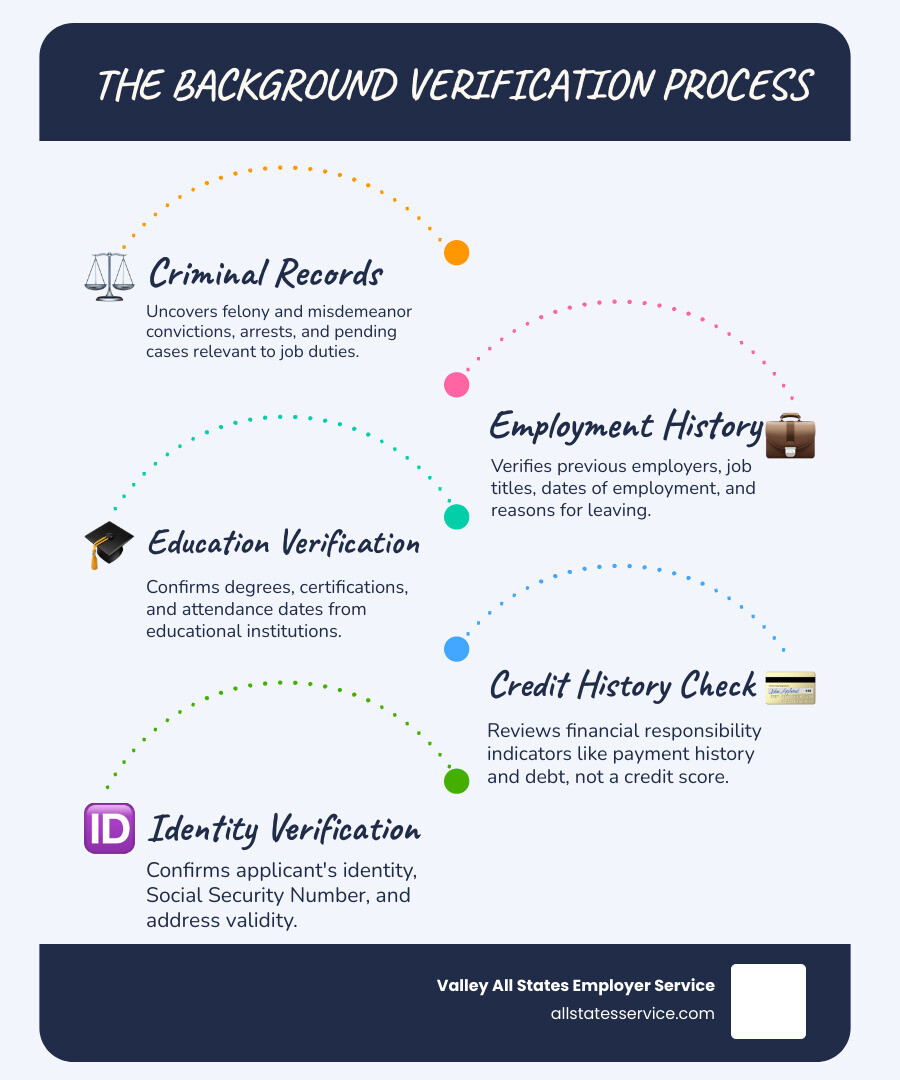
A credit history check in bgv (background verification) is a pre-employment screening tool that helps employers assess a candidate’s financial responsibility by reviewing their payment history, debt levels, and public financial records. It’s not a credit score check. Employers use it primarily for roles involving money, sensitive data, or positions of trust to mitigate fraud risk and gauge reliability.
Quick Answer: Understanding Credit Checks in Background Verification
- What it is: A modified credit report showing payment history, bankruptcies, liens, and account details
- What it’s NOT: Your FICO or VantageScore (employers never see that number)
- Why employers use it: To assess financial responsibility for roles handling money or sensitive information
- Your rights: Employers must get your written consent and notify you before denying employment
- Impact on you: It’s a soft inquiry that does NOT hurt your credit score
If you’ve ever applied for a job that required a background check, you might have wondered why your employer wants to peek at your credit history. After all, what does your car payment have to do with your ability to do the job?
The truth is, more employers are including credit history checks as part of comprehensive background screening. According to research, credit reports indicate whether you’re responsible and if you’re facing financial distress. These are traits that matter when someone is handling company finances, accessing sensitive customer data, or working in positions of trust.
But here’s what many people don’t know: an employment credit check is very different from the credit check a bank runs when you apply for a loan. It doesn’t include your credit score, and it won’t hurt your credit rating. It’s designed specifically to help employers assess financial behavior, not creditworthiness for lending.
This guide will walk you through exactly what happens during a credit history check in background verification. Whether you’re an HR manager ensuring compliance or a job seeker preparing for your next application, you’ll learn the process, your legal rights, and how to steer this common hiring practice with confidence.
Credit history check in bgv definitions:
- company background verification process
- background verification company
- employment verification process
What is a Credit History Check in Background Verification?
When we talk about a credit history check in bgv, we’re referring to a specific type of background screening designed to evaluate a candidate’s financial responsibility. It’s a key component of a comprehensive Background Check Pre-Employment Screening. This check isn’t about judging your wealth or income, but rather your history of managing financial obligations.
It serves as a risk mitigation tool. Employers want to understand if a candidate demonstrates consistent financial behavior, which can be an indicator of reliability and trustworthiness. For instance, if a role involves handling company funds or sensitive client data, a history of financial distress might raise concerns about potential security risks or the ability to manage responsibilities effectively.
This check is not a credit score. While a credit score is a single number lenders use to quickly assess creditworthiness for a loan, an employment credit check provides a modified report focused on your financial behavior. It helps verify identity and provides insights into how you’ve handled financial commitments in the past.
Why Employers Use Credit Checks
Why do employers bother with a credit history check in bgv? It all comes down to trust and risk. We use these checks to assess a candidate’s overall trustworthiness and to prevent potential internal fraud. This is especially true for positions of trust, or roles that involve handling money or sensitive data. Imagine hiring someone for an accounting position or a role with access to significant financial assets. An employer needs confidence that the individual is financially stable and responsible.
Financial experts like John Ulzheimer, president of the Ulzheimer Group, highlight that “Credit reports indicate whether or not you’re responsible and also indicate if you’re in financial distress.” He even posed the question, “Would you want to hire someone in your accounting department who can’t manage their own obligations?” This really drives home the point. If an employee is under severe financial pressure, it could potentially lead to ethical compromises or, as research shows, can lead to health and productivity issues.
Therefore, for roles requiring financial oversight, access to confidential information, or significant autonomy, a credit history check in bgv helps employers gauge a candidate’s responsibility and mitigate various risks.
Credit History Report vs. Credit Score
This is where many people get confused, and it’s a critical distinction to understand. When an employer conducts a credit history check in bgv, they are looking at a credit history report, not your credit score.
A credit score, like a FICO or VantageScore, is a three-digit number designed to predict your likelihood of repaying a loan. It’s what lenders use. Employers, however, do not receive this score. Instead, they get a modified version of your credit report. This report offers detailed information about your financial behavior, including:
- Identity Information: This helps confirm who you are and where you’ve lived.
- Payment History: Records of how you’ve paid your bills, including any late payments.
- Debt Levels: Information on outstanding debts, such as credit cards, loans, and mortgages.
- Public Records: Details on bankruptcies, liens, or civil judgments.
- Collections Accounts: Any accounts that have been sent to a collection agency.
The key takeaway? When a pre-employment credit report is run on an applicant, their FICO score will not be included. This is because a background check is different from a credit report that’s being checked for issuing actual credit. We’re looking for patterns of financial responsibility, not your ability to secure a new loan.
The Employer’s Guide to a Compliant Credit History Check in BGV
For employers, conducting a credit history check in bgv is a powerful tool, but it comes with significant responsibilities. To ensure fairness and legal compliance, we must follow strict guidelines. This includes adhering to best practices and understanding the legal landscape. Our goal is always to make informed hiring decisions while protecting applicant rights. When we help clients with their Company Background Verification Process, compliance is paramount.
Understanding the Legal Landscape: FCRA and State Laws
In the United States, the primary federal law governing consumer reporting, including employment credit checks, is the Fair Credit Reporting Act (FCRA). The FCRA is designed to promote the accuracy, fairness, and privacy of information in the files of consumer reporting agencies.
Here’s what the FCRA mandates for employers:
- Applicant Consent is Mandatory: You cannot conduct a credit history check in bgv without the applicant’s explicit, written consent. This isn’t just a checkbox on an application form. The FCRA states that you need to inform the candidate, via a separate notice, that a credit report will be pulled.
- State-Specific Restrictions: Beyond federal law, many states have their own regulations regarding the use of credit checks in employment decisions. For instance, Maryland, where we operate in locations like Lutherville, has specific laws like the Job Applicant Fairness Act. This Act generally prohibits employers from using an applicant’s credit report or credit history in making employment decisions, with some key exceptions. Employers are typically allowed to use credit history only for certain positions, such as those that require handling money or confidential information, or for management-level roles. It’s vital to be aware of and comply with these local regulations.
We work closely with employers in Maryland and across the US to steer these complexities, ensuring that any credit history check in bgv we facilitate is fully compliant with both federal and state laws.
The Process: From Consent to Decision
Conducting a credit history check in bgv involves a clear, step-by-step process to ensure legal compliance and fairness.

- Get Consent: As we mentioned, this is the first and most crucial step. We obtain separate, written consent from the applicant. This consent form clearly states that a consumer report, including credit history, may be obtained for employment purposes.
- Use a Reporting Agency: Employers typically partner with a reputable third-party reporting agency to conduct these checks. These agencies specialize in compiling compliant reports.
- Review Report: The agency provides a modified credit report to the employer. This report, as discussed, does not include a credit score. It focuses on financial accounts, payment history, and public records relevant to financial responsibility.
- Make Decision: The employer reviews the information. This report is just one piece of the puzzle in the hiring decision.
A key point for job applicants is the difference between a “soft search” and a “hard search.” For employment purposes, a credit history check in bgv is always a “soft inquiry.” This means:
- It does not leave a visible mark on your credit file for other lenders to see.
- It is not considered in credit scoring systems.
- It will not impact your credit score.
This is a significant relief for many job seekers, as it means you can undergo employment credit checks without worrying about it affecting your ability to get a loan or credit card in the future.
Handling Adverse Information and Denying Employment
What happens if an employer finds something concerning in a credit history check in bgv? The FCRA has strict rules for this scenario, known as the Adverse Action process. These rules are designed to protect applicants and give them a chance to understand and dispute information.
- Pre-Adverse Action Notice: If an employer is considering not hiring you, or taking any other adverse action (like not promoting you) based on information in your credit report, they must first provide you with a “Pre-Adverse Action Notice.” This notice must include:
- A copy of the credit report they received.
- A copy of “A Summary of Your Rights Under the Fair Credit Reporting Act” from the FTC.
This gives you time—typically five business days—to review the report, understand the information, and dispute any inaccuracies with the reporting agency.
- Allow Time to Dispute: This waiting period is critical. As alarming as it sounds, in the US alone, 34% found at least one error in their information on their credit reports. This means there’s a good chance an adverse finding might be due to an error, identity theft, or an outdated record.
- Final Adverse Action Notice: If, after the waiting period, the employer still decides to take adverse action, they must send a “Final Adverse Action Notice.” This notice will inform you of the decision and include:
- The name, address, and phone number of the consumer reporting agency that supplied the report.
- A statement that the agency did not make the decision to take adverse action and cannot explain why the decision was made.
- Your right to obtain a free copy of the report from the agency within 60 days.
- Your right to dispute the accuracy or completeness of the report with the agency.
It’s vital for employers never to rely solely on the credit report for a hiring decision. The context of any negative information is important. For instance, a past medical debt or a financial issue stemming from a divorce might be viewed differently than ongoing, deliberate financial mismanagement. We always advise employers to consider the whole picture and the relevance of the information to the specific job role.
The Applicant’s Guide: Navigating an Employment Credit Check
As a job seeker, facing a credit history check in bgv can feel a bit like a mystery. But with the right knowledge, you can approach it with confidence, understanding the process, reducing anxiety, and knowing your rights. We believe in empowering job applicants every step of the way.
What Information Do Employers Actually See?
When an employer runs a credit history check in bgv, they receive a modified version of your credit report. This report is custom for employment purposes and generally includes the following types of information:
- Identifying Information: Your name, current and previous addresses, date of birth, and Social Security Number (SSN). This helps employers confirm your identity and residency.
- Public Records: This section will show any bankruptcies, tax liens, or civil judgments filed against you. These are serious financial events that remain on your report for several years.
- Account Payment History (Trade Lines): Details about your credit accounts, such as credit cards, auto loans, and mortgages. This includes the account status (open/closed), payment history (on-time or late payments), credit limits, and current balances. Employers are looking for patterns of consistent, on-time payments.
- Collections Accounts: Information on any debts that have been sent to a collection agency due to non-payment.
- Inquiries: A list of who has requested your credit report. For employment checks, these are “soft inquiries” and won’t be visible to other lenders or affect your credit score.
What employers typically don’t see is your credit score (FICO or VantageScore). They also generally don’t see your age, marital status, race, religion, or medical information. The report is designed to provide relevant financial behavior information without delving into protected characteristics.
Know Your Rights During a credit history check in bgv
The good news is that you have clear rights when an employer conducts a credit history check in bgv, thanks to the Fair Credit Reporting Act (FCRA) and state laws like Maryland’s Job Applicant Fairness Act. We believe it’s essential for every job applicant to be aware of these protections.
- Right to Consent: An employer cannot pull your credit report for employment purposes without your specific, written consent. This consent must be obtained separately from your job application.
- Right to See the Report: If an employer is considering taking adverse action based on your credit report, they must provide you with a copy of the report and a summary of your rights before making a final decision. This gives you a chance to review it.
- Right to Dispute Inaccuracies: If you find errors on your credit report, you have the right to dispute them with the consumer reporting agency. The agency must investigate and correct any inaccurate or incomplete information.
- Right to an Explanation if Denied a Job: If an employer denies you a job, or takes any other adverse action, based on information in your credit report, they must notify you of this decision and provide you with specific information about the reporting agency, your right to obtain a free copy of the report, and your right to dispute its accuracy.
- State-Specific Protections: Be aware that states like Maryland have additional protections. The Maryland Job Applicant Fairness Act generally prohibits employers from using credit reports for employment decisions, with specific exceptions for certain roles (e.g., those handling money or confidential data). You can learn more about your rights in Maryland through resources like the Maryland Department of Labor or the Legal Employment Verification Guide 2025.
Knowing these rights empowers you to ensure a fair and transparent process.
How to Prepare for a credit history check in bgv
Preparing for a credit history check in bgv is simpler than you might think. The best defense is a good offense, meaning being proactive about your financial health and knowing what’s on your report.
- Review Your Own Credit Report Annually: We highly recommend obtaining and reviewing your credit reports from all three major bureaus (Experian, Equifax, and TransUnion) at least once a year. You are entitled to one free credit report from each bureau annually via annualcreditreport.com. This is your chance to catch any errors or outdated information.
- Dispute Errors Immediately: If you find any inaccuracies, dispute them with the credit bureau and the information provider right away. This can take some time, so don’t wait until you’re actively job searching. 34% of individuals in the US found at least one error in their information, so checking is crucial.
- Prepare Honest Explanations for Negative Items: If there are legitimate negative items on your report, be prepared to explain them. Employers understand that life happens. A past medical crisis, a job loss, or a divorce can significantly impact finances. Focus on what you’ve learned and how you’re managing your finances now.
- Practice Good Financial Habits: The best long-term preparation is to maintain healthy financial habits. Pay your bills on time, keep credit utilization low, and manage your debt responsibly. While an employment check is a soft inquiry, your overall financial picture reflects on your responsibility.
Here’s a quick comparison to clarify the different types of credit inquiries:
| Feature | Soft Inquiry (Employment Check) | Hard Inquiry (Loan Application) |
|---|---|---|
| Impact on Score | No impact | Can slightly lower your score for a short period |
| Visible to Lenders | No (only visible to you) | Yes (visible to other lenders) |
| Requires Consent | Yes, explicit written consent | Yes, typically part of a loan application agreement |
| Purpose | Assess financial responsibility for employment decisions | Assess creditworthiness for lending (loans, credit cards) |
| Example | Employer checking your credit history for a job application | Applying for a mortgage, car loan, or new credit card |
Frequently Asked Questions about Employment Credit Checks
We often hear common questions from job applicants and employers alike about credit history check in bgv. Let’s clear up some of the most frequent concerns.
Does an employment credit check hurt my credit score?
No, an employment credit history check in bgv will not hurt your credit score. This is a common misconception, and it’s important to understand why. As we discussed, employment checks are considered “soft inquiries.”
- It is a soft inquiry: Unlike applying for a loan or credit card (which triggers a “hard inquiry”), a soft inquiry does not affect your credit score.
- It is not visible to lenders: Only you can see soft inquiries on your credit report. Other lenders will not see that an employer has checked your credit history.
- It is not used in credit scoring models: Credit scoring models, like FICO and VantageScore, only consider hard inquiries when calculating your score.
So, rest assured, you can undergo multiple employment credit checks without any negative effect on your credit score.
Can an employer see my actual credit score?
No, an employer cannot see your actual credit score. This is another crucial point to remember. When an employer conducts a credit history check in bgv, they receive a modified credit report. This report contains detailed financial history information, but it explicitly excludes the three-digit FICO or VantageScore.
The focus for employers is on your credit history and financial habits—the patterns of how you’ve managed your obligations—rather than a single numerical rating. They want to see consistent payment behavior, not whether you qualify for the best interest rate on a loan.
What if I have a lot of debt or a past bankruptcy?
Having a lot of debt or a past bankruptcy is not an automatic disqualifier for employment, especially when it comes to a credit history check in bgv. Employers understand that financial situations can be complex and that many factors contribute to a person’s credit history.
- Context matters: An employer should consider the context of your financial situation. For example, significant medical debt, student loan debt, or issues stemming from a divorce or job loss might be viewed differently than chronic mismanagement of funds.
- Be prepared to explain the circumstances: If you have legitimate reasons for negative items on your report, be prepared to explain them concisely and honestly. Focus on what you’ve done to address the issues and how your financial situation has improved or stabilized.
- Focus on your recent, positive payment history: Many employers prioritize recent financial behavior. Demonstrating a consistent history of on-time payments and responsible financial management in recent years can outweigh older issues.
While an employer might consider these factors, they must also comply with anti-discrimination laws and ensure that any decision is job-related and consistent with business necessity. If you’re concerned about your credit history, reviewing it, correcting errors, and being ready to discuss it openly are your best strategies.
Conclusion: Building a Foundation of Trust in Hiring
The credit history check in bgv is an important tool in the modern hiring landscape, offering employers valuable insights into a candidate’s financial responsibility and potential risks. It’s not about judging a candidate’s worth, but about building a foundation of trust, especially for roles that demand high integrity and careful handling of assets or sensitive information.
For employers, navigating the legal complexities of the FCRA and state-specific laws, such as those in Maryland, is paramount. Ensuring applicant consent, adhering to the adverse action process, and partnering with experienced consumer reporting agencies are key to a compliant and fair process.
For job applicants, understanding that these checks are soft inquiries that don’t harm your credit score, and knowing your rights to review and dispute information, can explain the process and empower you. Proactive steps like regularly checking your credit report and being prepared to honestly discuss your financial history can make all the difference.
A well-executed credit history check in bgv benefits everyone. It helps employers make informed decisions, mitigating risks and protecting their business. It also promotes transparency and fairness for applicants, ensuring that decisions are based on accurate and relevant information.
At Valley All States Employer Service, we understand the nuances of employment compliance and background verification. We’re here to help employers steer through these complex requirements correctly, minimizing errors and administrative burdens. For a complete overview of compliant hiring and to learn more about how we can support your business, explore our Employment Verification Process Ultimate Guide.